Asian Art Outpost

Adventures in Asian Art


Buy a "Power" Chinese or Japanese Calligraphy Wall Scroll

You can choose from many options to create artwork with the Chinese characters / Asian symbols / Japanese Kanji for power on a wall scroll or portrait.

Power Wall Scroll

Quick links to words on this page...

  1. Power / Strength
  2. Strong / Powerful
  3. Mighty / Powerful / Strong
  4. Strong / Powerful
  5. The Spirit of the Dragon Horse,...
  6. Perseverance / Will-Power
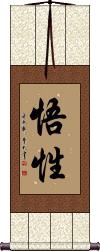
  7. Power of Understanding and Wisdom
  8. Profound / Powerful Words
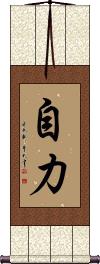
  9. Self-Discipline / Will-Power
10. Will-Power / Self-Control
11. Fortitude / Strength of Character
12. God Give Me Strength
13. Inner Strength is Better than...
14. Inner Strength
15. Strength and Courage
16. Strength and Love in Unity
17. Spiritual Strength ...
18. Strength / Ability
19. Physical Strength
20. Strength: Strong and Solid
21. Always Striving for Inner Strength
22. Inner Strength is Better than...
23. Strength and Courage
24. Determination
25. Discipline
26. Discipline / Training / Tempering Character
27. Discipline
28. Electricity / Lightning
29. Exercise
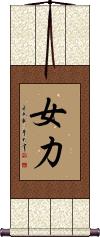
30. Perseverance / Fortitude
31. Good Health
32. Good Health / Healthy / Vigor
33. Gutsy / Daring / Bold
34. Healthy Living
35. Woman of Strong Character / Woman Hero
36. Indomitable / Persistence / Fortitude
37. Indomitable / Unyielding
38. Intensity
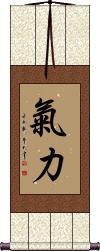
39. Life Energy / Spiritual Energy
40. Live Strong
41. Perseverance
42. Perseverance / Indomitable...
43. Perseverance
44. Undaunted After Repeated Setbacks
45. Psychic Energy
46. Self-Control
47. Strong / Robust
48. Strong / Healthy
49. Strong and Beautiful
50. Strong bones come from hard knocks
51. Strong / Healthy
52. Strong Hearted
53. Strong Woman
54. Supernatural Energy
55. Tempering Makes Strong Steel
56. Vitality
57. Well-Disciplined

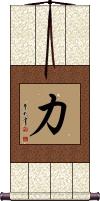
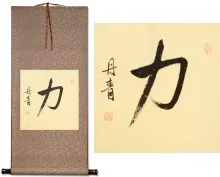
Power / Strength


chikara / ryoku
力

The simplest form of "power" or "strength".

In Japanese it is pronounced "chikara" when used alone, and "ryoku" when used in a sentence (there are also a few other possible pronunciations of this Kanji in Japanese).

In some context, this can mean ability, force, physical strength, capability, and influence.

See Also...  Strength | Vitality | Health

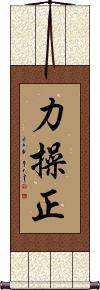
Strong / Powerful

qiáng zhuàng
kyousou
강장
強
壯

This is an adjective that means powerful or strong. It can also be translated as able-bodied, robust, or sturdy. This version of strength suggests muscularity.

壮Note that the second character was simplified in Japan after WWII (also simplified in mainland China, but not for calligraphy). If you want the modern Japanese/simplified version, please click on the Kanji shown to the right.

See Also...  Strength | Vitality | Health

Mighty / Powerful / Strong

qiáng dà
kyoudai
강대
強
大

This can mean mighty, powerful, large, formidable, or strong.

This term is often used to describe soldiers/troops/warriors, and whole armies.

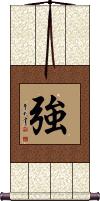
Strong / Powerful

qiáng
kyou
強

This "strong" character means strength, force, powerful, better, stubborn, and stiff (yes, all of this in one character). This "strong" has less to do with physical strength and more to do with having a winning attitude, or just having the ability to win at something.

Note that most of the time, this character is pronounced "qiang", but when used with the meaning of stubborn, unyielding, or stiff, it is pronounced "jiang" in Chinese.

Also, sometimes "qiang" is used in modern Chinese to describe people that do crazy things (Example: Bicycling from Beijing to Tibet alone). I sometimes can be found outside my Beijing apartment wearing nothing but shorts and a tee-shirt while eating an ice cream during a snow storm, just to hear my neighbors call me "qiang". Maybe they mean "strong" but perhaps they are using the new meaning of "crazy strong".

Also a Korean Hanja with same meaning, but mostly used in compound words.

This is used in Japanese (though normally in compound words). In Japanese, it has the same meaning, but in some context can mean "a little more than..." or "a little over [some amount]". Most Japanese would read this as tough, strength, stiff, hard, inflexible, obstinate, or stubborn.

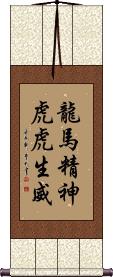
The Spirit of the Dragon Horse,
the Power of a Tiger.

lóng mǎ jīng shén hǔ hǔ shēng wēi
虎
虎
生
威
龍
馬
精
神

Characters shown
above are read
vertically, starting
from the right

This is an old phrase that is used to wish someone great health and success combined as a great compliment.

The meaning is "The vigor and spirit of the legendary dragon-horse, and the power and prestige of the tiger".

By giving a wall scroll like this to someone, you were either wishing or telling them that they have these qualities. There is also a suggestion of good health - at least anyone with the vigor of a dragon horse, would seem to also be in good health.

Perseverance / Will-Power

yì lì
의력
毅
力

These two characters are a way to express "perseverance" with the idea of "willpower" in Chinese and old Korean Hanja. It can also mean "strong willed".

The first character means "strong" and "persistent", while the second means "strength" and "power".

Power of Understanding and Wisdom

wù xìng
gosei
오성
悟
性

This means the power of understanding and insight in Chinese. It is often associated with Neo-Confucianism. In that regard, it means to realize man's true nature or to find your soul, the soul of others, or the soul of the world. Some will translate this simply as the state of being "savvy".

In Japanese, this is often translated as wisdom and understanding.

Back to the top of this page

Profound / Powerful Words

rù mù sān fēn
入
木
三
分

These four characters together translate in English to a strong form of "profound" or "written with a forceful hand".

But there is much more to the story...

The deep meaning behind this phrase comes from a man named Wan Xizhi who lived in the third century.

He was a great writer and calligrapher whose writing style influenced generations of other writers and calligraphers.

He once wrote words on a piece of wood to be taken to an engraver.
When the engraver began to carve the characters into the wood, he found that Wang Xizhi's writing had penetrated the wood about 3/8 of an inch.

Thus people believed that his words were so powerful, and so profound this it caused the ink from his brush to penetrate the wood deeply.

The phrase literally means "penetrated wood three fen" (fen is an ancient Chinese measurement a little over to 1/8 of an inch or almost 4mm).

Self-Discipline / Will-Power

zì lǜ
jiritsu
자율
自
律

Self-discipline means self-control. It is doing what you really want to do, rather than being tossed around by your feelings like a leaf in the wind. You act instead of react. You get things done in an orderly and efficient way. With self-discipline, you take charge of yourself.

Not sure if this one works for a Japanese audience.

See Also...  Discipline | Self-Control

Will-Power / Self-Control

yì zhì lì
ishi ryoku
의지력
意
志
力

This is the form of will power or self-control is about having the determination or tenacity to keep going.

In Japanese, this is the power of will, strength of will, volition, intention, intent, or determination.

Back to the top of this page

Fortitude / Strength of Character

gāng yì
gouki
剛
毅

This Japanese and Chinese word means, "resolute and firm", "fortitude", "firmness of character", "hardihood", "manliness" or "macho".

See Also...  Perseverance | Strength | Tenacity

God Give Me Strength

yuàn shàng dì gěi wǒ lì liàng
我
力
量
願
上
帝
給

Characters shown
above are read
vertically, starting
from the right

This is a wish or a prayer that you might call out at a desperate time.

Translated by us for a military serviceman in Iraq - obviously he may have a need to use this phrase often, though I am not sure where he's going to find a place to hang a wall scroll.

Inner Strength is Better than
Outward Appearance

biǎo zhuàng bù rú lǐ zhuàng
如
裡
壯
表
壯
不

Characters shown
above are read
vertically, starting
from the right

This literally translates as:
[Better to be] strong inside than [to be] strong outside.

The ancient original meaning was:
[An] able [husband] outside [working to support a family is] not as good as [an] able [wife] inside [working and saving to take care of the family].

The current meaning is:
Inner strength is more important than outward appearance.

Back to the top of this page

Inner Strength

nèi zài lì liàng
내재력량
內
在
力
量

This is the slightly-verbose way to say inner-strength. The first two characters mean "intrinsic" or "inner". The second two characters mean "power", "force" or "strength" (especially physical strength). This is more a short phrase rather than just a word in Chinese and Korean. This can sort of be understood in Japanese, but it's not normal/proper Japanese.

Inner Strength

(short version)

nèi lì
nai ryoku
내력
內
力

This is the shorter version of inner-strength (can also be translated as "internal force"). The first character holds the meaning of "inner" or "internal". The second character means "power", "force" or "strength".

This is kind of a Kung Fu way of talking about an inner power or strength from within. This is sort of a way to express "inner-chi". This is clearly something that you might hear in a real Chinese Kung Fu movie.

While understood in both Chinese and Japanese, this can have a secondary meaning of "inner stress" in Japanese.

Inner Strength

zì qiáng
자강
自
強

This is the kind of inner-strength that applies to a person who has will-power and can inspire themselves to do great things.

This word can also be the creed of a person that always pursues self-improvement.

Other translations: self-strengthening, striving for improvement, self-improvement, strive to become stronger, and self-renewal.

Back to the top of this page

Strength and Courage

lì liàng hé yǒng qì
力
量
和
勇
氣

While not a typical Chinese phrase, this is how to write "strength and courage".

If this is an important idea for you, we can make a great custom Chinese "strength and courage" wall scroll for you.

Strength and Love in Unity

(Japanese only)

riki ai fu ni
力
愛
不
二

This phrase literally means:
"Strength [and] Love [are] Not Two [separate ideas/concepts/things]".

You'll find this phrase translated from Japanese to English as:
Love and strength are not separate.
Power and love are indivisible.
Strength and love in harmony.
Strength and love stand together.

Old Japanese grammar is quite different than English, and so this phrase says a lot within the brevity of just 4 characters. If you just read these characters directly as, "Strength Love Not Two", you'd probably miss the real meaning.

According to the Swedish Shorinji Kempo Federation, this is the second characteristic of Shorinji Kempo.

This post really explains the concept best in my opinion: Bushido by MS: Riki Ai Fu Ni, which states: "Riki Ai Funi" is the philosophy that power (Riki) and love (Ai) are indivisible. More concretely, a person, who is powerful but does not have love, cannot control and misuse his/her power; on the other hand, a person, who has loved ones but is not powerful enough, cannot protect himself/herself nor loved ones.

Spiritual Strength
Strength of Spirit

jīng shén lì liàng
seishin rikiryou
精
神
力
量

This title speaks of one's soul or spirit, and the capacity or strength that soul possesses.

The first two characters mean mind, heart, spirit, and/or soul.

The last two characters mean strength, capacity, or ability.

Note: Separately, these are two words in Japanese, and can be pronounced, but this does not make a natural title in Japanese (best if your audience is Chinese).

Back to the top of this page

Strength / Ability

lì liàng
riki ryou
역량
力
量

This is a general strength term. It can refer to mental or physical strength (depending on context). This word can also be used to describe strength in terms of capability, capacity, ability and even tact. Some may translate this as power or force.

Physical Strength

(Traditional Chinese and Korean version)

tǐ lì
tai ryoku
체력
體
力

Means "physical strength", "physical power", or "physical stamina".

See Also...  Fortitude | Health

Physical Strength (Japanese / Simplified version)

tǐ lì
tairyoku
体
力

Means "physical strength" or "physical power".

The first character was first simplified in Japan. Then that simplified version became the standard in mainland China. Just in case you want this version, it is offered here. I suggest it if you audience is Japanese. Most Chinese know the older traditional version.

Back to the top of this page

Strength: Strong and Solid

(Japanese)

qiáng gù
kyouko
강고
強
固

Means "firmness", "stability", "security" and "strength" in Japanese. It's not used commonly in China, but it means "powerful", "firm", "solid", "strong" or "better than others" in Chinese. There is a slight variation in the top of the first character between Chinese and Japanese. Because this is more a Japanese word, we are showing the Japanese form here.

This is also a Korean word, but Korean Hanja uses the Chinese form of the first character (one tiny stroke is a little different), so just let me now if your audience is Korean when you place your order, and we'll have it written in the Chinese/Korean version.

Always Striving for Inner Strength

zì qiáng bú xī
自
強
不
息

This proverb or idiom suggests that the pursuit self-improvement is eternal. The first two characters mean inner-strength with the idea of self-improvement. The last two characters mean "never rest" or "striving without giving up".

Some will translate these four characters as, "Exert and strive hard without any let up".

Inner Strength is Better than
Outward Appearance

Japanese

naimen no tsuyosa ha gaiken no yosa ni masaru
さ
に
勝
る
は
外
見
の
良
内
面
の
強
さ

Characters shown
above are read
vertically, starting
from the right

This Japanese phrase literally translates as "inner/internal strength/power [versus] outward-appearance [the] merit/virtue/good quality [does] excel/surpass/exceed/outweigh".

More naturally in English, this would be "Inner Strength Outweighs Outward Appearance".

Back to the top of this page

Strength and Courage

力
と
勇
気

This may not be the most common Japanese phrase, but this is how to write "strength and courage" in Japanese.

Determination

jué xīn
kesshin
결심
決
心

You focus your energy and efforts on a task and stick with it until it is finished. Determination is using your will power to do something when it isn't easy. You are determined to meet your goals even when it is hard or you are being tested. With determination we make our dreams come true.

The first characters means "to determine" or "determined". The second character means "heart" or "soul", so you can imagine that this form of "determination" partially means to put your heart into something. It can also be translated as resolve, resolution, or decision (as in a decision made and followed).

See Also...  Devotion | Tenacious | Passion | Dedication | Will-Power

Discipline

jì lǜ
기율
紀
律

Discipline: There are a few different ways to define this word in English. This Asian word conveys the idea of extreme self-control and perhaps self-sacrifice, and obedience. This matches what I was taught as the meaning of "discipline" when I was in the Marine Corps. There is also an additional idea of maintaining order or being orderly in your tasks.

This idea would also fit an athlete training for the Olympics who gives up many pleasures to stay focused on their training.

See Also...  Self-Control | Will-Power

Back to the top of this page

Discipline

guī
kiritsu
규율
規
律

This Japanese word for discipline relays the ideas of keeping order, observance (of rules, laws, regulations).

This is also a word in Chinese and old Korean Hanja where it suggests that you are one who follows a certain law of behavior, or have a regular and dependable pattern of behavior, personal regime or rhythm.

See Also...  Self-Control | Will-Power

Discipline / Training / Tempering Character

mó liàn
磨
練

This is a form of discipline which suggests training of the mind and character, aimed at producing self-control, obedience, etc.

One of my Chinese-English dictionaries even translates this as "tempering oneself" or turning yourself into hardened steel.

In old Korean Hanja, they use these characters in reverse order, but with the same meaning. If you want the Korean version, please click this link instead of the button above: Korean version.

Discipline (Japanese)

duàn liàn
tan ren
단련
鍛
練

This is the Japanese Kanji and Korean Hanja word that is used for discipline. This has a meaning like "forging or creating something from lots of training and practice". My Japanese dictionary translates this as, "tempering, forging, hardening, disciplining, training".

This is for Japanese and Korean only. In Chinese, these characters might be translated as (physical) "exercise".

練'
練'
錬

The modern form of the second Japanese Kanji looks like the first image to the right. There's also an alternate modern form after that, and finally, an alternate traditional form. Because calligraphy is an art, the calligrapher could choose any of these possible forms. Let us know if you have a preference.

See Also...  Self-Control | Will-Power

Back to the top of this page

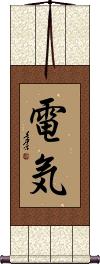
Electricity / Lightning

Japanese Only

den ki
電
気

This is the title for electricity in Japanese Kanji.

This can also be used to mean lightning in Japanese.

See Also...  Thunder | Energy | Rain

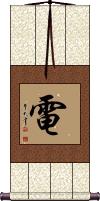
Electricity / Lightning

diàn
den
電

This is the title for electricity in Chinese, Japanese Kanji, and old Korean Hanja.

While this character means electric or electricity, it can also be used to mean lightning.

Note: This Kanji is not usually used alone like this in Japanese.

See Also...  Thunder | Energy | Rain

Exercise

(for body or mind)

duàn liàn
단련
鍛
煉

This means exercise in much the same way we use exercise in English. This can be exercising your body at the gym, or exercising your mind in studies. Most of the time, this refers to physical exercise.

This can also be translated as to temper, to toughen, to train, to drill, to forge, or simply discipline.

Back to the top of this page

Perseverance / Fortitude

jiǎn rěn
ken nin
견인
堅
忍

The first character means "strong", "solid", "firm", "unyielding" or "resolute".
The second character means "to beat", "to endure", or "to tolerate".
Together they speak of the strength from within yourself. Some may also translate this as "long-suffering" in a more Biblical sense.

This is a common term in Chinese and Korean Hanja, but a little less commonly-used in modern Japanese Kanji. For that reason, this selection is best if your audience is Chinese or Korean.

忍Note that when writing this as Kanji, Japanese will tend to write the second Kanji in the form shown to the right. If you select our Japanese master calligrapher, please expect this Kanji form (yes, it's just one stroke that is slightly different in location, crossing another stroke in the Japanese Kanji form).

Due to some odd computer coding conventions, these two character forms were combined/merged into the same code point - thus you will not see Kanji images of the more Japanese form as you select options for your wall scroll.

Good Health

jiàn kāng
kenkou
건강
健
康

This is the best way to express good health in Chinese, Korean and Japanese.

These characters also suggest the ideas of being solid, strong, sound, wholesome and at peace.

Can also be used to express "healthy", "vitality", or "well-being".

See Also...  Health | Vitality | Wellness

Good Health / Healthy / Vigor

Also suggests being at peace

kāng
kou
康

This is a single character that means good health or vigor in Chinese, Japanese Kanji, and old Korean Hanja.

This character can also mean peaceful, at ease, or abundant in some contexts.

Please note that this is rarely seen alone in Japanese Kanji. In Japanese, it is used both for health-related compound words and to denote the kouhou through koushou eras of Japan.

In Korean, this can also be the family name "Kang" (caution: not the only family name romanized as Kang in Korean).

See Also...  Health | Vitality | Wellness

Back to the top of this page

Gutsy / Daring / Bold

pò lì
hakuryoku
박력
迫
力

This Chinese word is a form of personal strength. It is a word that describes a person who is willing to take a risk. In English we might say, "Someone with guts".

An example might be a person that is not rich, but invests a lot of money into something (knowing they could double their money, or lose it all). Win or lose, this is a person that knows or pushes their potential.

Tearing this word apart, the first character means "to compel", urgent, urge, force, imminent, or "spur on". The second means power, strong, bear, or exert.

Note: This is also a word in Japanese Kanji and Korean Hanja, but with a meaning more like force, intensity, appeal, strength, impact, force, or simply power.

Healthy Living

jiàn kāng shēng huó
kenkou seikatsu
건강생활
健
康
生
活

If you are into healthy living, this might be a great selection for a wall scroll to hang in your home. The first two characters speak of health, vitality, vigor and being of sound body. The second two mean living or life (daily existence).

See Also...  Strength | Vitality | Health

Woman of Strong Character / Woman Hero

nǚ jiá
joketsu
女
傑

This can mean brave woman, heroine, lady of character, distinguished woman, outstanding woman, and sometimes prominent woman.

In modern usage, some people might use this to give a title to women like Oprah Winfrey, Hillary Clinton, or Sarah Palin. I would rather use it for a woman like Araceli Segarra (the first woman from Spain to climb Mt. Everest).

Back to the top of this page

Indomitable / Persistence / Fortitude

bù qū
fukutsu
불굴
不
屈

This is the short form of a longer Chinese word, and also a word used in Korean and Japanese to express the idea of being indomitable. It literally means, "will not bend", "will not crouch", "will not yield", "will not flinch", or "will not submit".

Note: Some will translate this as "indomitable spirit"; however, technically, there is no character to suggest the idea of "spirit" in this word.

See Also...  Tenacity | Fortitude | Strength | Undaunted

Indomitable / Unyielding

bù qū bù náo
fukutsu futou
不
屈
不
撓

This is a long word by Chinese standards. At least it is often translated as a single word into English. This simply means "Indomitable" or "Unyielding".

If you want to break it down, you can see that the first and third characters are the same. Both meaning "not" (they work as a suffix to make a negative or opposite meaning to whatever character follows). The second character means "bendable". The last means "scratched" or "bothered".
So this really means "Won't be bent, can't be bothered". I have also seen it written as "Will not crouch, will not submit". This comes from the fact that the second character can mean, "to crouch" and the last can mean "to submit" (as in "to give in" such as "submitting to the rule of someone else"). This may explain better why these four characters mean "indomitable".

Notes:
Some will translate this as "indomitable spirit"; however, technically, there is no character to suggest the idea of "spirit" in this word.
The first two characters can be a stand-alone word in Chinese.
In Japanese, this is considered to be two words (with very similar meanings).
The same characters are used in Korean, but the 2nd and 4th characters are swapped to create a word pronounced "불요불굴" in Korean.
Just let me know if you want the Korean version, which will also make sense in Japanese, and though not as natural, will also make sense in Chinese as well.

See Also...  Tenacity | Fortitude | Strength | Undaunted

Intensity

qiáng liè
kyouretsu
강렬
強
烈

This word means intensity in regards to strength.

Note: In some context, this can mean violently strong or severe.

Back to the top of this page

Life Energy / Spiritual Energy

Essense of Life


ki
氣

Qi which is also Romanized as Chi in Chinese or Ki in Japanese, is a fundamental concept of traditional Asian culture. Qi is believed to be part of everything that exists, as in “life force” or “spiritual energy”. It is most often translated as “energy flow,” or literally as “air” or “breath”.

The character itself is a representation of steam (or breath) rising from rice.
米This was apparently seen as the release of energy from the rice when this concept was first developed. To clarify, the character for rice is shown to the right. The Qi / Chi / Ki character is still used in compound words to mean steam or vapor.

The idea of Qi / Chi / Ki is really a philosophical concept. It's often used to refer to the “flow” of metaphysical energy that sustains living beings. Yet there is much debate that has continued for thousands of years as to whether Qi / Chi / Ki is pure energy, or consists partially, or fully of matter.

You can also see the character for Qi / Chi / Ki in common compound words such as Tai Chi / Tai Qi, Aikido, Reiki and Qi Gong / Chi Kung.

In the modern Japanese Kanji, the rice radical has been changed into two strokes that form an X.

The original and traditional Chinese form is still understood in Japanese, but we can also offer that modern Kanji form in our custom calligraphy. If you want this Japanese Kanji, please click on the character to the right, instead of the “Select and Customize” button above.

More language notes: This is pronounced like “chee” in Mandarin Chinese, and like “key” in Japanese.
This is also the same way to write this in Korean Hanja where it is Romanized as “gi” and pronounced like “gee”, but with a real G-sound, not a J-sound.
Though Vietnamese no longer use Chinese characters in their daily language, this character is still widely known in Vietnam.

See Also...  Life Force | Vitality | Life | Birth | Soul

Live Strong

jiān qiáng shēng huó
堅
強
生
活

While hard to translate directly, this is the best way to write "Live Strong" in Chinese. If you are a cancer survivor, or simply support Lance Armstrong's ideas, this is a nice selection for a wall scroll.

The first two characters mean strong or staunch. The last two mean living or life (daily existence). While the Chinese version is the reverse order of "Live Strong" it is the only way to write it in a natural form that is also grammatically correct.

Note that we are in no way affiliated or connected to Lance, nor his foundation. This translation is offered because of multiple requests from customers whose philosophies or ideas match those of the Live Strong idea.

See Also...  Strength | Vitality | Health | Determination | Discipline

Perseverance

(single character)


see note
毅

This is the simplest way to express perseverance in Chinese and Korean Hanja.
This single-character version leaves a bit of mystery about what kind of perseverance you might want to convey.

In Korean, this is usually associated with "strength of character".

In Japanese, this character can be pronounced about a dozen different ways (so we have left out the Japanese pronunciation guide that normally appears above). In Japanese this Kanji would usually be translated "strong" (perhaps strong-willed).

See Also...  Tenacity | Fortitude | Strength | Undaunted

Back to the top of this page

Perseverance / Indomitable
Invincible Fortitude

(Japanese)

jiān rěn bù bá
kenninfubatsu
堅
忍
不
抜

This is the Japanese version of the 4-character perseverance title. This would be understood in Chinese but it's not commonly written this way in Chinese.

忍Note that when writing this as Kanji, Japanese sometimes write the second Kanji in the form shown to the right. Yes, it's just one stroke that is slightly different in location, crossing another stroke in this alternate Japanese Kanji form. If you have a preference, let us know when you order.

Due to some odd computer coding conventions, these two character forms were combined/merged into the same code point - thus you will not see Kanji images of more Japanese form as you select options for your scroll.

Perseverance

(two characters)

jiān rèn
견인
堅
韌

This is a simpler version that just holds the meaning of "fortitude", "steadfast" and "persistent".

Undaunted After Repeated Setbacks

Persistence to overcome all challenges

bǎi zhé bù náo
hyaku setsu su tou
백절불요
百
折
不
撓

This phrase means "Be undaunted in the face of repeated setbacks". It's of Chinese origin, but is commonly used in Japanese, and somewhat in Korean (same characters, different pronunciation).

This phrase comes from a long, and occasionally tragic story of a man that lived sometime around 25-220 AD. His name was Qiao Xuan and he never stooped to flattery, but remained an upright person at all times. He fought to expose corruption of higher-level government officials at great risk to himself.

Then when he was at a higher level in the Imperial Court, bandits were regularly capturing hostages and demanding ransoms. But when his own son was captured, he was so focused on his duty to the Emperor and common good that he sent a platoon of soldiers to raid the bandits' hideout, and stop them once and for all even at the risk of his own son's life. While all of the bandits were arrested in the raid, they killed Qiao Xuan's son at first sight of the raiding soldiers.

Near the end of his career a new Emperor came to power, and Qiao Xuan reported to him that one of his ministers was bullying the people and extorting money from them. The new Emperor refused to listen to Qiao Xuan and even promoted the corrupt Minister. Qiao Xuan was so disgusted that in protest he resigned his post as minister (something almost never done) and left for his home village.

His tombstone reads "Bai Zhe Bu Nao" which is now a phrase used in Chinese culture to describe a person of strong will who puts up stubborn resistance against great odds.

My Chinese-English dictionary defines these 4 characters as, "keep on fighting in spite of all setbacks", "be undaunted by repeated setbacks" and "be indomitable".

Our translator says it can mean, "never give up" in modern Chinese.

Although the first two characters are translated correctly as "repeated setbacks", the literal meaning is "100 setbacks" or "a rope that breaks 100 times". The last two characters can mean "do not yield" or "do not give up".
Most Chinese, Japanese, and Korean people will not take this absolutely literal meaning, but will instead understand it as the title suggests above. If you want a single big word definition, it would be indefatigability or indomitableness.

See Also...  Tenacity | Fortitude | Strength | Perseverance

Back to the top of this page

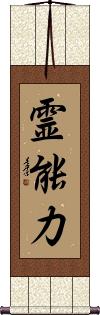
Psychic Energy

tōng líng
통령
通
靈

This is used to speak of something with supernatural essence, psychic power, or having magical power in Chinese.

Self-Control

zì zhì
jisei
자� �
自
制

The short and sweet version of self-control.

Note: This can also mean self-restraint.

See Also...  Will-Power | Discipline

Self-Control

zì jǐ yì zhì
jikoyokusei
자기억� �
自
己
抑
制

The first two characters mean "regarding oneself", and the second two mean "to refrain" or "to restrain". So together, this has a meaning like "to restrain oneself".

See Also...  Discipline | Will-Power

Back to the top of this page

Strong / Robust

zhuàng
sou
壯

This "strong" character means "to strengthen" or robust. This brings images of a muscle-bound hulk of a weight lifter or body builder to an Asian person who sees this character.

Note that in Korean and Japanese, this character is normally part of compound words, and is not seen alone too often.

壮Note that the this character was simplified in Japan after WWII (also simplified in mainland China, but not for calligraphy). If you want the modern Japanese/simplified version, please click on the Kanji shown to the right.

Strong / Healthy

jiàn
ken
健

This "strong" character is the more "healthy" version of strong. This is the "strong" that is appropriate for an athlete.

Beyond "healthy", it can also mean strength, persistence, vigorous or invigorated.

Strong and Beautiful

jiàn měi
takemi
건미
健
美

We don't really have a word like this in English, but these two characters create a word that means "strong and beautiful". It could also be translated as "healthy and beautiful".

Note: This is a word in Chinese and Korean, but it's also the family name Takemi in Japanese. The characters hold the same meaning in Japanese, but It's kind of like having the English name Stillwell, when few people would perceive the meanings of still and well.

Back to the top of this page

Strong bones come from hard knocks

bù kē bù pèng bù yìng
骨
頭
不
硬
不
磕
不
碰

Characters shown
above are read
vertically, starting
from the right

This literally translates as: Without being knocked around a bit, [one's] bones won't become hard.

Figuratively, this means: One can't become strong without first being tempered by "hard knocks".

While true for everyone, this sounds like the "Iron Body" form of Kung Fu, where practitioners bodies are beaten (and often bone fractured) in order to become stronger.
For the rest of us, this is just about how we can be tempered and build character through the hardships in our lives.

Strong / Healthy (Japanese)

sukoyaka
健
や
か

This is a verbose way to say strong and healthy in Japanese. This is the "strong" that is appropriate for an athlete.

Beyond "healthy", it can also mean strength, persistence, vigorous or invigorated.

Japanese also use the first Kanji to mean the same thing. This version just adds two hiragana which serve to emphasize or amplify the word and clarify the meaning.

Strong Hearted

yì zhì jiān qiáng
의지견강
意
志
堅
強

This phrase can mean either "strong hearted", "strong willed" or "determination". The first two characters can be translated simply as "will" but also have the element of "heart" in the lower portion of both characters (they also partially carry this meaning). The last two characters mean "strong" or "staunch".

Chinese word order and grammar is a bit different than English, so in this case, they are in reverse order of English, but have the correct meaning in a natural form.

See Also...  Strong Willed | Discipline | Will-Power

Back to the top of this page

Strong Woman

nǚ qiáng rén
女
強
人

This is the best way to say "strong woman" or "strong and independent woman" in Chinese.

Grammar in China is a bit different, so these three characters literally read as "female strength person" or "woman strong person". This might sound funny in English, but this is a natural-sounding title in Chinese.

Supernatural Energy

chāo néng lì
chounouryoku
초능력
超
能
力

This word is used in both Japanese and Chinese to refer to the ability to comprehend supernatural power. Some may translate this as psychic ability, psychic power, ESP, or PSI.

Tempering Makes Strong Steel

Hardship Develops Strong Character

bǎi liàn cái chéng gāng
百
煉
才
成
鋼

This literally translates as: Only after much tempering is steel produced.

Figuratively, this means: True character must be tested in hardship.

This is a mild form of saying, "Whatever doesn't kill me, makes me stronger".

Back to the top of this page

Vitality

shēng mìng lì
seimeiryoku
생명력
生
命
力

This word can mean "vitality" or "libido". The first two characters mean "life" or "life force". The last character is a common word that means "strength". So together you get the meaning "life strength" which is the essence of vitality. Some will also translate this word as "good health".

See Also...  Life Force | Health

Well-Disciplined

Special Military Term

yán zhěng
嚴
整

When reading an account of some battles in China, I came across this Chinese word. As it turns out, it's only used in military circles to describe neat, orderly, and well-disciplined troops. Perhaps this is actually closer to the meaning I was taught while in the U.S. Marines.

The first character literally means stern, serious, strict, or severe (it can also mean "air tight" or "water tight".
The second character means exact, in good order, whole, complete, and orderly.
Together, these two characters multiply each other into a word that expresses the highest military level of discipline.

See Also...  Self-Control | Will-Power


You should look at these ready-to-ship pieces of artwork:

STRENGTH / POWER - Chinese / Japanese Kanji Painting

STRENGTH / POWER
Chinese / Japanese Kanji Painting

This is strength or power in Chinese, Japanese Kanji, and old Korean Hanja. It's the most common way to express the idea of power or being powerful.


Compare: $31.00

Your Price: $16.88


More Info
STRENGTH / POWER Chinese / Japanese Kanji Wall Scroll

STRENGTH / POWER Chinese / Japanese Kanji Wall Scroll

This is strength or power in Chinese, Japanese Kanji, and old Korean Hanja. It's the most common way to express the idea of power, the state of being powerful or having power.


Compare: $65.00

Your Price: $32.88


More Info
STRENGTH / POWER - Chinese / Japanese Kanji Painting

STRENGTH / POWER
Chinese / Japanese Kanji Painting

This is strength or power in Chinese, Japanese Kanji, and old Korean Hanja. It's the most common way to express the idea of power or being powerful.


Compare: $31.00

Your Price: $16.88


More Info
ENERGY - SPIRITUAL ESSENSE Chinese / Japanese Kanji Painting

ENERGY
SPIRITUAL ESSENSE Chinese / Japanese Kanji Painting

This character is often associated with the internal energy, or life force that a person exerts when practicing martial arts.


Compare: $31.00

Your Price: $16.88


More Info
Awesome Power - Chinese Calligraphy Wall Scroll

Awesome Power
Chinese Calligraphy Wall Scroll

Separately, these characters mean "strong" and "wind". But together they create a title that means, "powerful" or "awesome" (especially in regards to a leader).


Compare: $142.00

Your Price: $78.88


More Info
ENERGY - SPIRITUAL ESSENSE Chinese / Japanese Kanji Wall Scroll

ENERGY
SPIRITUAL ESSENSE Chinese / Japanese Kanji Wall Scroll

This Chinese characters and ancient Japanese Kanji is often associated with the internal energy, or life force that a person exerts when practicing martial arts. Some say this "qi", "ki" or "chi" is obtained in abundance through meditation.


Compare: $60.00

Your Price: $32.88


More Info
Xi Shi - Fairest Beauty of Ancient China Wall Scroll

Xi Shi
Fairest Beauty of Ancient China Wall Scroll

Her looks were powerful enough to bring down a kingdom.
DISCOUNTED


Compare: $87.00

Your Price: $48.00


More Info
Colorful Golden-Yellow Plum Blossom Wall Scroll

Colorful Golden-Yellow Plum Blossom Wall Scroll

The title of this golden-yellow plum blossom wall scroll is "Qian Kun Qing Qi" which means "Heaven and Earth [has] Clear/Pure Air/Energy".


Compare: $83.00

Your Price: $45.88


More Info

A nice Chinese calligraphy wall scroll

The scroll that I am holding in this picture is a "medium size"
4-character wall scroll.
As you can see, it is a great size to hang on your wall.
(We also offer custom wall scrolls in larger sizes)

A professional Chinese Calligrapher

Professional calligraphers are getting to be hard to find these days.
Instead of drawing characters by hand, the new generation in China merely type roman letters into their computer keyboards and pick the character that they want from a list that pops up.

There is some fear that true Chinese calligraphy may become a lost art in the coming years. Many art institutes in China are now promoting calligraphy programs in hopes of keeping this unique form of art alive.

Trying to learn Chinese calligrapher - a futile effort

Even with the teachings of a top-ranked calligrapher in China, my calligraphy will never be good enough to sell. I will leave that to the experts.


A high-ranked Chinese master calligrapher that I met in Zhongwei

The same calligrapher who gave me those lessons also attracted a crowd of thousands and a TV crew as he created characters over 6-feet high. He happens to be ranked as one of the top 100 calligraphers in all of China. He is also one of very few that would actually attempt such a feat.


See: Our list of specifically Japanese Kanji Calligraphy Wall Scrolls. And, check out Our list of specifically old Korean Hanja Calligraphy Wall Scrolls.

The following table is only helpful for those studying Chinese (or Japanese), and perhaps helps search engines to find this page when someone enters Romanized Chinese or Japanese

Title
Characters 
Simplified
Traditional
Japanese Romaji
(Romanized Japanese)
Various forms of Romanized Chinese
Power / Strength
chikara / ryoku
chikara/ryoku

li
li4
li
Strong / Powerful强壮
強壯
kyousou
kyoso
qiáng zhuàng
qiang zhuang
ch`iang chuang
qiang2 zhuang4
qiangzhuang
chiangchuang
chiang chuang
Mighty / Powerful / Strong强大
強大
kyoudai
kyodai
qiáng dà
qiang da
ch`iang ta
qiang2 da4
qiangda
chiangta
chiang ta
Strong / Powerful
kyou
kyo
qiáng
qiang
ch`iang
qiang2
qiang
chiang
chiang
The Spirit of the Dragon Horse, the Power of a Tiger.龙马精神虎虎生威
龍馬精神虎虎生威
n/alóng mǎ jīng shén hǔ hǔ shēng wēi
long ma jing shen hu hu sheng wei
lung ma ching shen hu hu sheng wei
long2 ma3 jing1 shen2 hu3 hu3 sheng1 wei1
Perseverance / Will-Power毅力
毅力
n/ayì lì
yi li
i li
yi4 li4
yili
Power of Understanding and Wisdom悟性
悟性
goseiwù xìng
wu xing
wu hsing
wu4 xing4
wuxing
Profound / Powerful Words入木三分
入木三分
n/arù mù sān fēn
ru mu san fen
ju mu san fen
ru4 mu4 san1 fen1
rumusanfen
Self-Discipline / Will-Power自律
自律
jiritsuzì lǜ
zi lv
tzu lü
zi4 lv4
zilv
Will-Power / Self-Control意志力
意志力
ishi ryoku
ishiryoku
yì zhì lì
yi zhi li
i chih li
yi4 zhi4 li4
yizhili
Fortitude / Strength of Character刚毅
剛毅
gouki
goki
gāng yì
gang yi
kang i
gang1 yi4
gangyi
God Give Me Strength愿上帝给我力量
願上帝給我力量
n/ayuàn shàng dì gěi wǒ lì liàng
yuan shang di gei wo li liang
yüan shang ti wo li liang
yuan4 shang4 di4 gei3 wo3 li4 liang4
yuanshangdigeiwoliliang
Inner Strength is Better than
Outward Appearance
表壮不如里壮
表壯不如裡壯
n/abiǎo zhuàng bù rú lǐ zhuàng
biao zhuang bu ru li zhuang
piao chuang pu ju li chuang
biao3 zhuang4 bu4 ru2 li3 zhuang4
biaozhuangburulizhuang
Inner Strength内在力量
內在力量
n/anèi zài lì liàng
nei zai li liang
nei tsai li liang
nei4 zai4 li4 liang4
neizaililiang
Inner Strength内力
內力
nai ryoku
nairyoku
nèi lì
nei li
nei4 li4
neili
Inner Strength自强
自強
n/azì qiáng
zi qiang
tzu ch`iang
zi4 qiang2
ziqiang
tzuchiang
tzu chiang
Strength and Courage力量和勇气
力量和勇氣
n/alì liàng hé yǒng qì
li liang he yong qi
li liang ho yung ch`i
li4 liang4 he2 yong3 qi4
liliangheyongqi
lilianghoyungchi
li liang ho yung chi
Strength and Love in Unity力爱不二
力愛不二
riki ai fu ni
rikiaifuni
n/a
Spiritual Strength
Strength of Spirit
精神力量
精神力量
seishin rikiryou
seishinrikiryou
seishin rikiryo
jīng shén lì liàng
jing shen li liang
ching shen li liang
jing1 shen2 li4 liang4
jingshenliliang
Strength / Ability力量
力量
riki ryou
rikiryou
riki ryo
lì liàng
li liang
li4 liang4
liliang
Physical Strength体力
體力
tai ryoku
tairyoku
tǐ lì
ti li
t`i li
ti3 li4
tili
tili
ti li
Physical Strength (Japanese / Simplified version)体力
體力
tairyokutǐ lì
ti li
t`i li
ti3 li4
tili
tili
ti li
Strength: Strong and Solid强固
強固
kyouko
kyoko
qiáng gù
qiang gu
ch`iang ku
qiang2 gu4
qianggu
chiangku
chiang ku
Always Striving for Inner Strength自强不息
自強不息
n/azì qiáng bú xī
zi qiang bu xi
tzu ch`iang pu hsi
zi4 qiang2 bu2 xi1
ziqiangbuxi
tzuchiangpuhsi
tzu chiang pu hsi
Inner Strength is Better than
Outward Appearance
内面の強さは外見の良さに勝る
内面の強さは外見の良さに勝る
naimen no tsuyosa ha gaiken no yosa ni masaru
naimennotsuyosahagaikennoyosanimasaru
n/a
Strength and Courage力と勇気
力と勇氣
n/an/a
Determination决心
決心
kesshin
keshin
jué xīn
jue xin
chüeh hsin
jue2 xin1
juexin
Discipline纪律
紀律
n/ajì lǜ
ji lv
chi lü
ji4 lv4
jilv
Discipline规律
規律
kiritsuguī
gui lu:
kuei lü
gui1 lu:4
guilu:
Discipline / Training / Tempering Character磨练
磨練 / 磨鍊 / 磨鍊
n/amó liàn
mo lian
mo lien
mo2 lian4
molian
Discipline (Japanese)锻练
鍛練 / 鍛錬
tan ren
tanren
duàn liàn
duan lian
tuan lien
duan4 lian4
duanlian
Electricity / Lightning電気
電氣
den ki
denki
n/a
Electricity / Lightning
dendiàn
dian
tien
dian4
dian
Exercise锻炼
鍛煉 / 鍛鍊
n/aduàn liàn
duan lian
tuan lien
duan4 lian4
duanlian
Perseverance / Fortitude坚忍
堅忍
ken nin
kennin
jiǎn rěn
jian ren
chien jen
jian3 ren3
jianren
Good Health健康
健康
kenkou
kenko
jiàn kāng
jian kang
chien k`ang
jian4 kang1
jiankang
chienkang
chien kang
Good Health / Healthy / Vigor
kou
ko
kāng
kang
k`ang
kang1
kang
kang
kang
Gutsy / Daring / Bold迫力
迫力
hakuryokupò lì
po li
p`o li
po4 li4
poli
poli
po li
Healthy Living健康生活
健康生活
kenkou seikatsu
kenkouseikatsu
kenko seikatsu
jiàn kāng shēng huó
jian kang sheng huo
chien k`ang sheng huo
jian4 kang1 sheng1 huo2
jiankangshenghuo
chienkangshenghuo
chien kang sheng huo
Woman of Strong Character / Woman Hero女杰
女傑
joketsunǚ jiá
nv jia
nü chia
nv3 jia2
nvjia
Indomitable / Persistence / Fortitude不屈
不屈
fukutsubù qū
bu qu
pu ch`ü
bu4 qu1
buqu
puchü
pu chü
Indomitable / Unyielding不屈不挠
不屈不撓
fukutsu futou
fukutsufutou
fukutsu futo
bù qū bù náo
bu qu bu nao
pu ch`ü pu nao
bu4 qu1 bu4 nao2
buqubunao
puchüpunao
pu chü pu nao
Intensity强烈
強烈
kyouretsu
kyoretsu
qiáng liè
qiang lie
ch`iang lieh
qiang2 lie4
qianglie
chianglieh
chiang lieh
Life Energy / Spiritual Energy气 / 気
ki
qi
ch`i
qi4
qi
chi
chi
Live Strong坚强生活
堅強生活
n/ajiān qiáng shēng huó
jian qiang sheng huo
chien ch`iang sheng huo
jian1 qiang2 sheng1 huo2
jianqiangshenghuo
chienchiangshenghuo
chien chiang sheng huo
Perseverance
see note
seenote
se note

yi
i
yi4
yi
Perseverance / Indomitable / Invincible Fortitude坚忍不拔
堅忍不抜 / 堅忍不拔
kenninfubatsujiān rěn bù bá
jian ren bu ba
chien jen pu pa
jian1 ren3 bu4 ba2
jianrenbuba
Perseverance坚韧
堅韌
n/ajiān rèn
jian ren
chien jen
jian1 ren4
jianren
Undaunted After Repeated Setbacks百折不挠
百折不撓
hyaku setsu su tou
hyakusetsusutou
hyaku setsu su to
bǎi zhé bù náo
bai zhe bu nao
pai che pu nao
bai3 zhe2 bu4 nao2
baizhebunao
Psychic Energy通灵
通靈
n/atōng líng
tong ling
t`ung ling
tong1 ling2
tongling
tungling
tung ling
Self-Control自制
自制
jiseizì zhì
zi zhi
tzu chih
zi4 zhi4
zizhi
Self-Control自己抑制
自己抑制
jikoyokuseizì jǐ yì zhì
zi ji yi zhi
tzu chi i chih
zi4 ji3 yi4 zhi4
zijiyizhi
Strong / Robust
sou
so
zhuàng
zhuang
chuang
zhuang4
zhuang
Strong / Healthy
kenjiàn
jian
chien
jian4
jian
Strong and Beautiful健美
健美
takemijiàn měi
jian mei
chien mei
jian4 mei3
jianmei
Strong bones come from hard knocks不磕不碰骨头不硬
不磕不碰骨頭不硬
n/abù kē bù pèng bù yìng
bu ke bu peng gutou bu ying
pu k`o pu p`eng pu ying
bu4 ke1 bu4 peng4 gu3tou bu4 ying4
bukebupenggutoubuying
pukopupengpuying
pu ko pu peng pu ying
Strong / Healthy (Japanese)健やか
健やか
sukoyakan/a
Strong Hearted意志坚强
意志堅強
n/ayì zhì jiān qiáng
yi zhi jian qiang
i chih chien ch`iang
yi4 zhi4 jian1 qiang2
yizhijianqiang
ichihchienchiang
i chih chien chiang
Strong Woman女强人
女強人
n/anǚ qiáng rén
nv qiang ren
nü ch`iang jen
nv3 qiang2 ren2
nvqiangren
nüchiangjen
nü chiang jen
Supernatural Energy超能力
超能力
chounouryoku
chonoryoku
chāo néng lì
chao neng li
ch`ao neng li
chao1 neng2 li4
chaonengli
chaonengli
chao neng li
Tempering Makes Strong Steel百炼才成钢
百煉才成鋼 / 百煉纔成鋼
n/abǎi liàn cái chéng gāng
bai lian cai cheng gang
pai lien ts`ai ch`eng kang
bai3 lian4 cai2 cheng2 gang1
bailiancaichenggang
pailientsaichengkang
pai lien tsai cheng kang
Vitality生命力
生命力
seimeiryokushēng mìng lì
sheng ming li
sheng1 ming4 li4
shengmingli
Well-Disciplined严整
嚴整
n/ayán zhěng
yan zheng
yen cheng
yan2 zheng3
yanzheng

If you have not set up your computer to display Chinese, the characters in this table probably look like empty boxes or random text garbage.
This is why I spent hundreds of hours making images so that you could view the characters in the "power" listings above.
If you want your Windows computer to be able to display Chinese characters you can either head to your Regional and Language options in your Win XP control panel, select the [Languages] tab and click on [Install files for East Asian Languages]. This task will ask for your Win XP CD to complete in most cases. If you don't have your Windows XP CD, or are running Windows 98, you can also download/run the simplified Chinese font package installer from Microsoft which works independently with Win 98, ME, 2000, and XP. It's a 2.5MB download, so if you are on dial up, start the download and go make a sandwich.

Some people may refer to this entry as Kanji, Characters, in Mandarin Chinese, Characters, in Chinese Writing, in Japanese Writing, in Asian Writing, Ideograms, Chinese symbols, Hieroglyphics, Glyphs, in Chinese Letters, Hanzi, in Japanese Kanji, Pictograms, in the Chinese Written-Language, or in the Japanese Written-Language.

Did you like this? Share it:


Copyright Oriental Outpost 2002-2012   -   All Rights Reserved
Image Use Policy Privacy Policy